Emergency Water Extraction in Alhambra, CA
Standing water keeps soaking into carpet pad, baseboards and subfloor until it leaves the building. The extraction crew pulls it out first, then sets drying equipment to the room's evaporation load.
(888) 578-6508Get water extraction started in Alhambra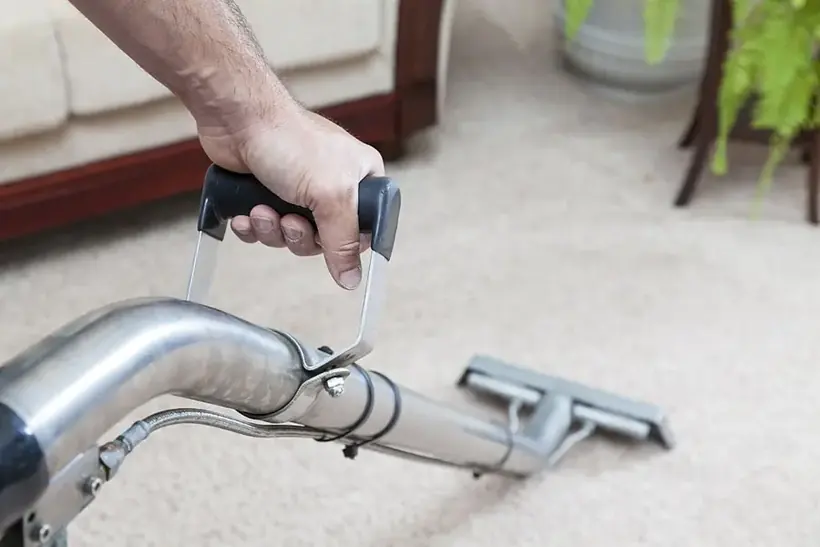
First steps for water extraction in Alhambra
- 1Stop the source
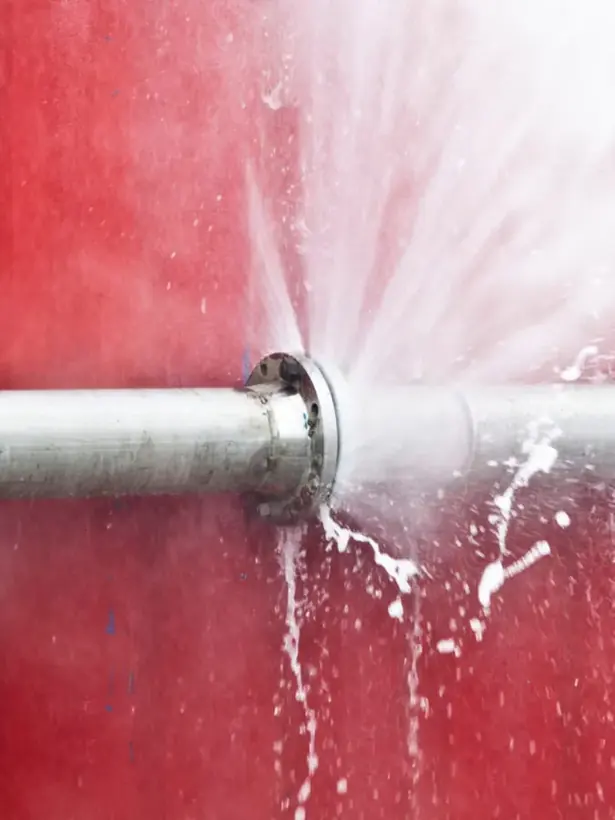
Close the main water valve, or the fixture shutoff if the leak is at a toilet or appliance.
- 2Kill power to wet areas
If the breaker panel is dry and safe to reach, switch off circuits that feed the wet rooms.
- 3Lift and photograph
Move rugs and small furniture off the wet floor and take photos before anything is thrown away.
- 4Call for extraction
Call 24/7 and describe where the water is and how deep it looks.
What does emergency water extraction cost in Alhambra, CA?
In Alhambra, CA, emergency water extraction and drying typically runs $600 to $6,500, depending on the water category, the square footage that got wet, the material class and how fast extraction started.
Ranges only, never a quote. The category of water, the square footage, the material class and how fast drying started move the number most. Try the water damage cost calculator for a closer planning range.
How water extraction is handled in Alhambra
- 1
Assess and map
The tech who does the walkthrough finds the source and maps moisture with thermal imaging and meters.
- 2
Extract
The extraction crew pulls standing water with truck-mounted or portable units.
- 3
Set drying equipment
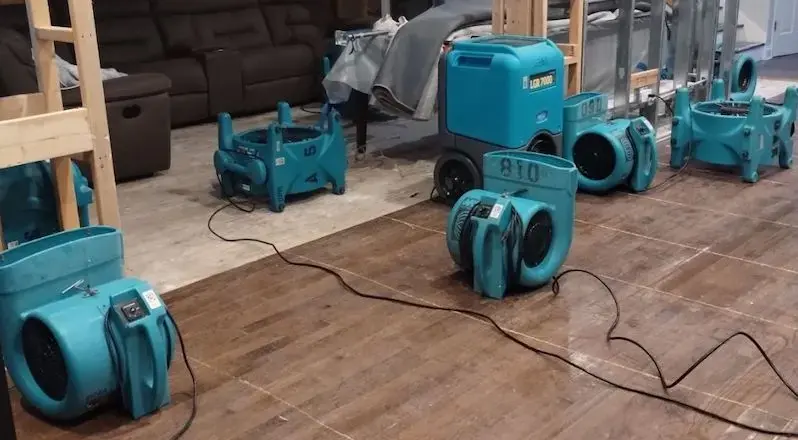
Air movers and LGR dehumidifiers go in at the evaporation load of each room.
- 4
Read daily
Readings are logged each day until wet materials sit within 2 to 4 points of dry.
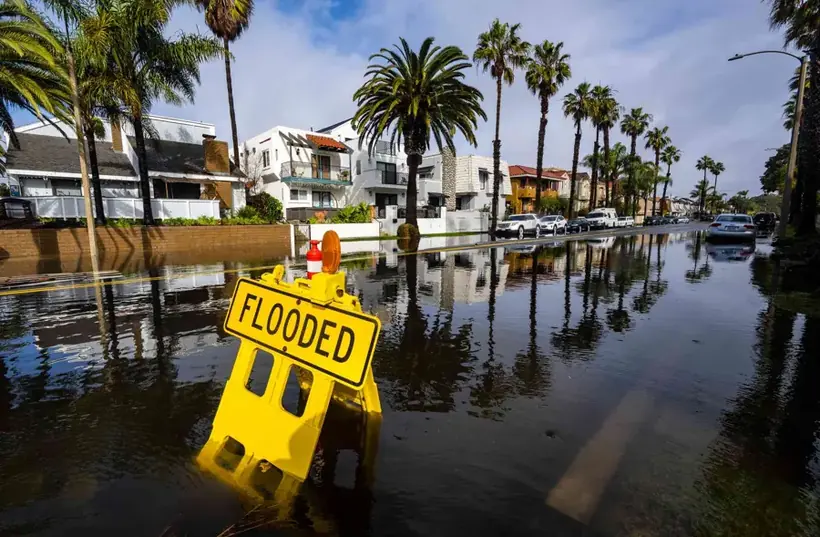
Extraction is the first move on almost every water loss in Alhambra, whether the water came from a split galvanized line in an Emery Park bungalow, a failed water heater in a garage off Valley Boulevard or a winter storm pushing under a door. Every gallon the extraction crew removes as liquid is a gallon the dehumidifiers never have to pull out of the air, which is why extraction speed decides how long the whole dry-out takes.
Why extraction comes before any fan
Air movers only dry surfaces. Water sitting in a carpet pad or pooled on a slab has to be physically removed first, or the fans simply spread humid air around the house. The extraction crew works in a fixed order:
- Truck-mounted extraction for large volumes, because the water leaves the building instead of filling a tank in the next room
- Weighted extraction tools that squeeze water out of carpet and pad before a decision is made to save or remove them
- Portable units for upstairs apartments and condos where hoses cannot reach from the street
- Thermal imaging and pinless meters to find the water that already moved under walls and cabinets
What happens right after the water is out
Once the standing water is gone, the tech who does the walkthrough builds a moisture map of every wet wall, floor and cabinet. That map sets the drying plan: how many air movers, which LGR dehumidifiers, and whether any drywall or baseboard needs a small opening to let a wall cavity breathe. See structural drying for how that phase works.
- Category 1 water from a clean supply line is usually dried in place
- Category 2 water from an appliance or overflow means soaked pad is often removed
- Category 3 water, such as a sewage backup, means porous materials come out, not dried
Protecting the structure while you wait
If the source is still running, the most useful thing you can do is shut the water off at the main valve, which in most Alhambra homes sits near the front of the property or where the line enters the house. Ready.gov explains basic safety around standing water, and the EPA WaterSense program has practical tips for spotting leaks early. Keep people and pets off wet floors near outlets, and lift rugs and furniture legs off wet carpet so dyes do not bleed.
Why the first day matters
Materials that stay wet for 24 to 48 hours start to support microbial growth, and wood and drywall keep absorbing the whole time. Fast extraction keeps a contained Class 1 loss from turning into a Class 3 rebuild.
Covering Alhambra, CA and the west San Gabriel Valley
Alhambra water damage pros handle water extraction across every Alhambra ZIP and the neighboring San Gabriel Valley cities, day or night.
ZIP codes 91801 and 91803, plus Emery Park, Midwick Tract, Bean Tract, Mayfair and the Valley Boulevard corridor, with San Gabriel, San Marino, South Pasadena, Monterey Park and Rosemead next door.
See every neighborhood and ZIP coveredRelated water damage services in Alhambra
Emergency Water Extraction questions in Alhambra
1How fast should standing water be extracted?
As soon as possible. Drywall, baseboard and wood keep absorbing water the whole time it sits, and after 24 to 48 hours wet materials start to support microbial growth. Extraction first is what keeps a small loss small.
2Can I use a wet vac instead?
A wet vac helps with a small spill, but it cannot pull water out of carpet pad or from under cabinets. Truck-mounted extraction and weighted tools remove far more water, which shortens the drying time considerably.
3Will my carpet be saved?
Carpet soaked by clean Category 1 water can often be extracted and dried in place. Pad usually absorbs more and is more often replaced. Carpet touched by Category 3 water, like sewage, is removed.
4How is hidden water found after extraction?
The tech who does the walkthrough uses thermal imaging and pinless meters to trace water under walls, cabinets and flooring, then records it on a moisture map that sets the drying plan.
5Is water extraction covered by insurance?
Sudden and accidental water, such as a burst supply line, is often covered under a homeowners policy after the deductible. Coverage depends on your policy, so it is worth checking with your own insurer.
6What if the water is in an upstairs apartment?
The extraction crew uses portable units where truck hoses cannot reach and checks the unit below for water that traveled through the floor.
Emergency Water Extraction in Alhambra? Call now.
The restoration team extracts the water, dries the structure to the IICRC S500 goal and documents every reading for the claim file.